

search
0
Category

Solutions

Implementing GDPR in Data Warehousing

Solutions

Implementing GDPR

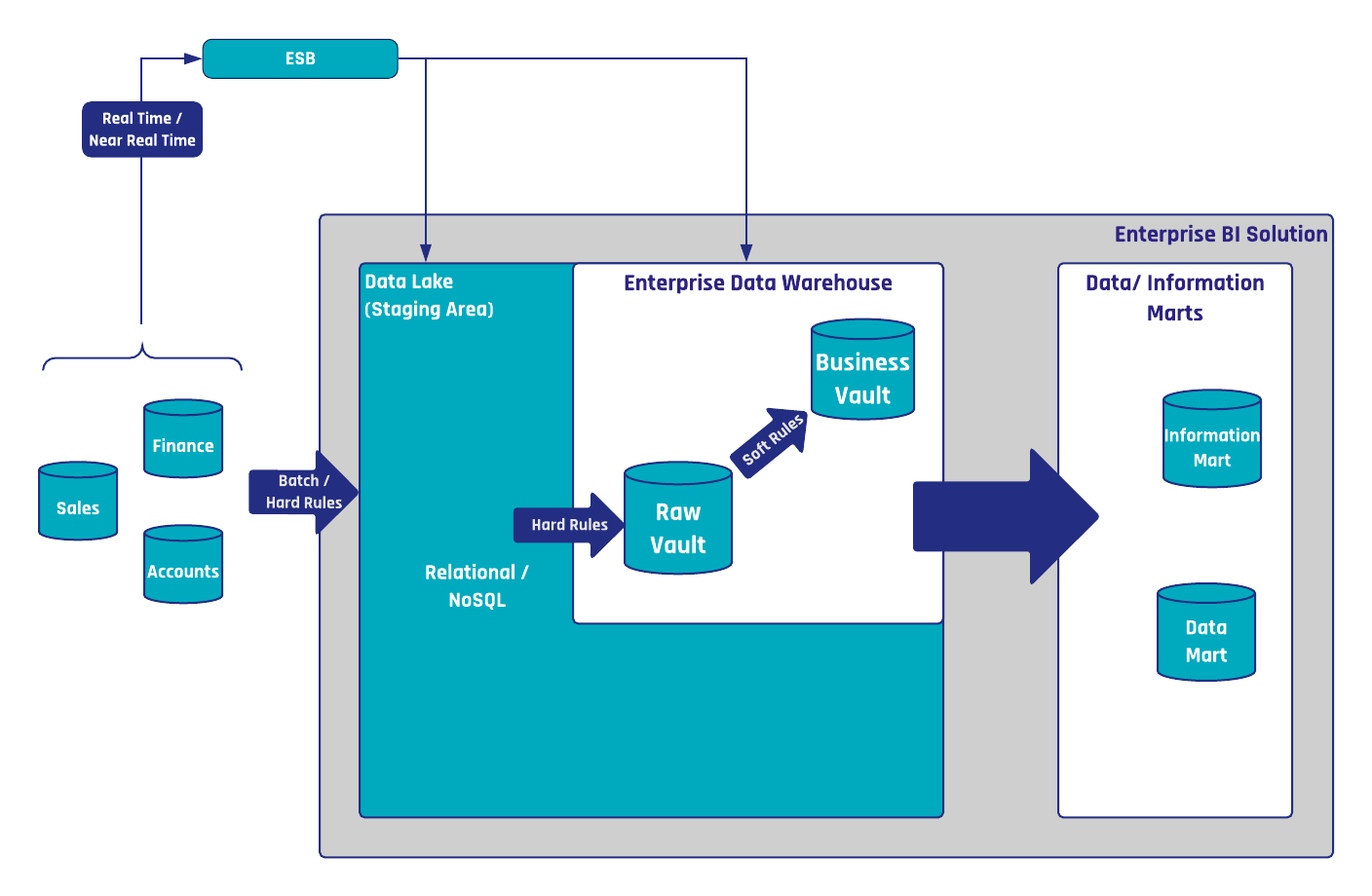
In the realm of data warehousing, whether it be Data Vault 2.0 or traditional approaches like Kimball and Inmon, data is stored and processed across multiple layers. The intricacies of privacy, particularly the application of security measures and the concept of the “right to be forgotten,” permeate every layer housing personal data.

For privacy implementation, the primary objective is the removal of Personally Identifiable Information (PII) data from each layer. This meticulous process aims to extract PII data, leaving non-PII data intact. In the ideal scenario, this ensures a reduction in consumer data proportionate to the removed PII data.

The General Data Protection Regulation (GDPR) casts a significant influence on data warehouse projects, introducing stringent requirements for data processing and storage. This impact spans across security considerations, determining who has access to what data, and privacy mandates, addressing the right to be forgotten.
ACCESS THE SOLUTION

Implementing GDPR in Data Warehousing

Leistungen

Implementing GDPR

In the realm of data warehousing, whether it be Data Vault 2.0 or traditional approaches like Kimball and Inmon, data is stored and processed across multiple layers. The intricacies of privacy, particularly the application of security measures and the concept of the “right to be forgotten,” permeate every layer housing personal data.

For privacy implementation, the primary objective is the removal of Personally Identifiable Information (PII) data from each layer. This meticulous process aims to extract PII data, leaving non-PII data intact. In the ideal scenario, this ensures a reduction in consumer data proportionate to the removed PII data.

The General Data Protection Regulation (GDPR) casts a significant influence on data warehouse projects, introducing stringent requirements for data processing and storage. This impact spans across security considerations, determining who has access to what data, and privacy mandates, addressing the right to be forgotten.

ZUGRIFF AUF DIE LÖSUNG

Advantages for Virtualization in the Data Vault

Leistungen

Virtualization in the Data Vault

In legacy or traditional data warehousing, a common strategy involves materializing data marts, also known as information marts, to enhance performance. However, this approach comes with a notable disadvantage – an increase in storage requirements within traditional data warehousing systems.

Materializing data marts can offer performance benefits, but the trade-off is a higher demand for storage space. This approach has been traditionally employed to optimize query response times and facilitate efficient data access

ACCESS THE SOLUTION

Advantages for Virtualization in the Data Vault

Solutions

Virtualization in the Data Vault

In legacy or traditional data warehousing, a common strategy involves materializing data marts, also known as information marts, to enhance performance. However, this approach comes with a notable disadvantage – an increase in storage requirements within traditional data warehousing systems.

Materializing data marts can offer performance benefits, but the trade-off is a higher demand for storage space. This approach has been traditionally employed to optimize query response times and facilitate efficient data access

ACCESS THE SOLUTION

Difference Between Data Vault, Inmon and Kimball Approach

Solutions

Data Vault, Inmon and Kimball

Data Vault 2.0 stands on a robust foundation of four pillars, each shaping its distinct architecture. The Methodology pillar guides the project lifecycle, ensuring standardization. Architecture defines the blueprint, prioritizing scalability. Modeling introduces agile techniques, enhancing adaptability. Implementation brings the design to life, addressing practical considerations.

The Inmon approach to building a data warehouse begins with the corporate data model. This model identifies the key subject areas, and most importantly, the key entities the business operates with. From this model, a detailed logical model is created for each major entity.

The Kimball approach to building the data warehouse starts with identifying the key business processes and the key business questions that the data warehouse needs to answer. The key sources (operational systems) of data for the data warehouse are analyzed and documented.

ACCESS THE SOLUTION

Difference Between Data Vault, Inmon and Kimball Approach

Leistungen

Data Vault, Inmon and Kimball

Data Vault 2.0 stands on a robust foundation of four pillars, each shaping its distinct architecture. The Methodology pillar guides the project lifecycle, ensuring standardization. Architecture defines the blueprint, prioritizing scalability. Modeling introduces agile techniques, enhancing adaptability. Implementation brings the design to life, addressing practical considerations.

The Inmon approach to building a data warehouse begins with the corporate data model. This model identifies the key subject areas, and most importantly, the key entities the business operates with. From this model, a detailed logical model is created for each major entity.

The Kimball approach to building the data warehouse starts with identifying the key business processes and the key business questions that the data warehouse needs to answer. The key sources (operational systems) of data for the data warehouse are analyzed and documented.

ACCESS THE SOLUTION

Batch Loading Strategies for Data Vault 2.0

Leistungen

Loading Strategies

In the realm of general data warehousing, various loading strategies come into play. One prevalent challenge often encountered is the absence of deleted records within a delta. In typical data warehousing scenarios, it becomes crucial to recognize and track deletions from the source system, often referred to as soft deletes.

The distinction lies in the need to not only capture new or modified data (delta) but also to account for records that have been deleted at the source. Soft deletes involve marking records as deleted rather than physically removing them, allowing for a more nuanced and traceable approach to data management.

ACCESS THE SOLUTION

Batch Loading Strategies for Data Vault 2.0

Solutions

Loading Strategies

In the realm of general data warehousing, various loading strategies come into play. One prevalent challenge often encountered is the absence of deleted records within a delta. In typical data warehousing scenarios, it becomes crucial to recognize and track deletions from the source system, often referred to as soft deletes.

The distinction lies in the need to not only capture new or modified data (delta) but also to account for records that have been deleted at the source. Soft deletes involve marking records as deleted rather than physically removing them, allowing for a more nuanced and traceable approach to data management.

ACCESS THE SOLUTION

Data Lake Efficiency: Structural Solutions

Data Lake architecture

Data Lake Structure – Solution

The organization of data within a data lake can significantly impact downstream accessibility. While offloading data into the data lake is a straightforward process, the real challenge arises in efficiently retrieving this data. The efficiency of data retrieval becomes crucial for tasks such as the incremental or initial Enterprise Data Warehouse (EDW) load and for data science practitioners conducting independent queries. In practice, the ease of accessing data downstream depends on how well the data is organized within the data lake. A well-organized structure facilitates smoother retrieval processes, empowering both EDW loads and the independent querying needs of data scientists.

ACCESS THE SOLUTION
Within a hybrid data warehouse architecture, as promoted in the Data Vault 2.0 Boot Camp training, a data lake is used as a replacement for a relational staging area. Thus, to take full advantage of this architecture, the data lake is best organized in a way that allows efficient access within a persistent staging area pattern and better data virtualization.

Continue Reading

Data Lake Efficiency: Structural Solutions

Data Lake architecture

Data Lake Structure – Solution

The organization of data within a data lake can significantly impact downstream accessibility. While offloading data into the data lake is a straightforward process, the real challenge arises in efficiently retrieving this data. The efficiency of data retrieval becomes crucial for tasks such as the incremental or initial Enterprise Data Warehouse (EDW) load and for data science practitioners conducting independent queries. In practice, the ease of accessing data downstream depends on how well the data is organized within the data lake. A well-organized structure facilitates smoother retrieval processes, empowering both EDW loads and the independent querying needs of data scientists.

ACCESS THE SOLUTION
Within a hybrid data warehouse architecture, as promoted in the Data Vault 2.0 Boot Camp training, a data lake is used as a replacement for a relational staging area. Thus, to take full advantage of this architecture, the data lake is best organized in a way that allows efficient access within a persistent staging area pattern and better data virtualization.

Continue Reading

Requirements and Templates for Hashing

Leistungen

REQUIREMENTS FOR HASHING

Traditional data warehouses often use sequence numbers to identify records in other tables.

By using sequences, this method comes with some drawbacks. One of the biggest drawbacks is performance. Since the sequence numbers are generated by a generator, this step presents a bottleneck. In addition sequence numbers are generated in the data warehouse instead of loading them before.

This solution provides a template and the requirements round about hashing.

ACCESS THE SOLUTION

Requirements and Templates for Hashing

Solutions

REQUIREMENTS FOR HASHING

Traditional data warehouses often use sequence numbers to identify records in other tables.

By using sequences, this method comes with some drawbacks. One of the biggest drawbacks is performance. Since the sequence numbers are generated by a generator, this step presents a bottleneck. In addition sequence numbers are generated in the data warehouse instead of loading them before.

This solution provides a template and the requirements round about hashing.

ACCESS THE SOLUTION
Close Menu